Why Hydroponic Farming and Organic Production Certification Are Shaping the Future of Agriculture
-
by
admin
- No Comments on Why Hydroponic Farming and Organic Production Certification Are Shaping the Future of Agriculture
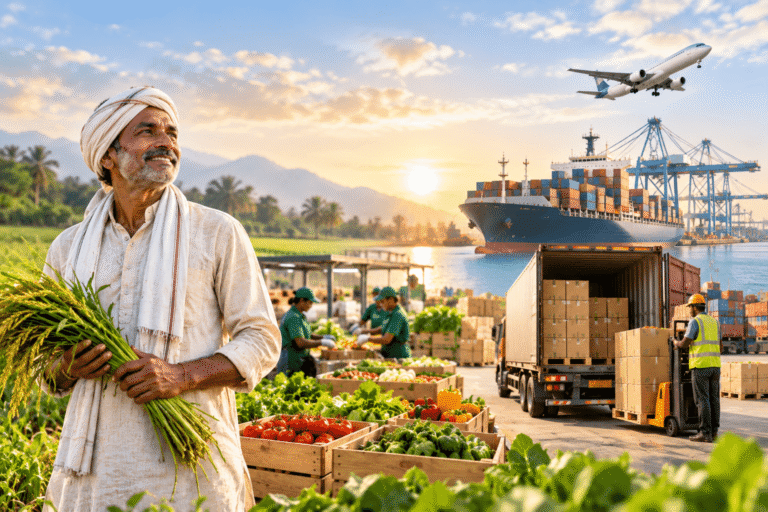
Agriculture is changing faster than ever before. Rapid urbanization, climate challenges, shrinking farmland, and increasing food demand are forcing the industry to rethink traditional farming methods.
Consumers today are not just looking for food, they are looking for healthier, safer, and sustainably produced food. At the same time, farmers and agri-entrepreneurs are searching for smarter ways to increase productivity while reducing environmental impact.
This is where two powerful trends are transforming modern agriculture: Hydroponic Farming and Organic Production Certification.
Hydroponics is revolutionizing how crops are grown using technology-driven systems, while organic certification is helping businesses build trust and access premium markets. Together, they represent a future-ready approach to sustainable and profitable agriculture.
The Changing Landscape of Modern Agriculture
Challenges in Traditional Farming
Conventional farming faces several growing challenges, including water scarcity, soil degradation, unpredictable weather conditions, and rising input costs.
Urban expansion is also reducing the availability of cultivable land, making efficient farming methods increasingly important.
Rising Consumer Awareness
Modern consumers are becoming more conscious about food quality, sustainability, and chemical usage in agriculture. Demand for fresh, traceable, and responsibly produced food is rising rapidly.
Need for Sustainable and Scalable Solutions
Agriculture today requires systems that can produce more food using fewer resources while maintaining quality and sustainability. This is driving interest in advanced farming technologies and certification systems.
What Is Hydroponic Farming?
Definition and Concept
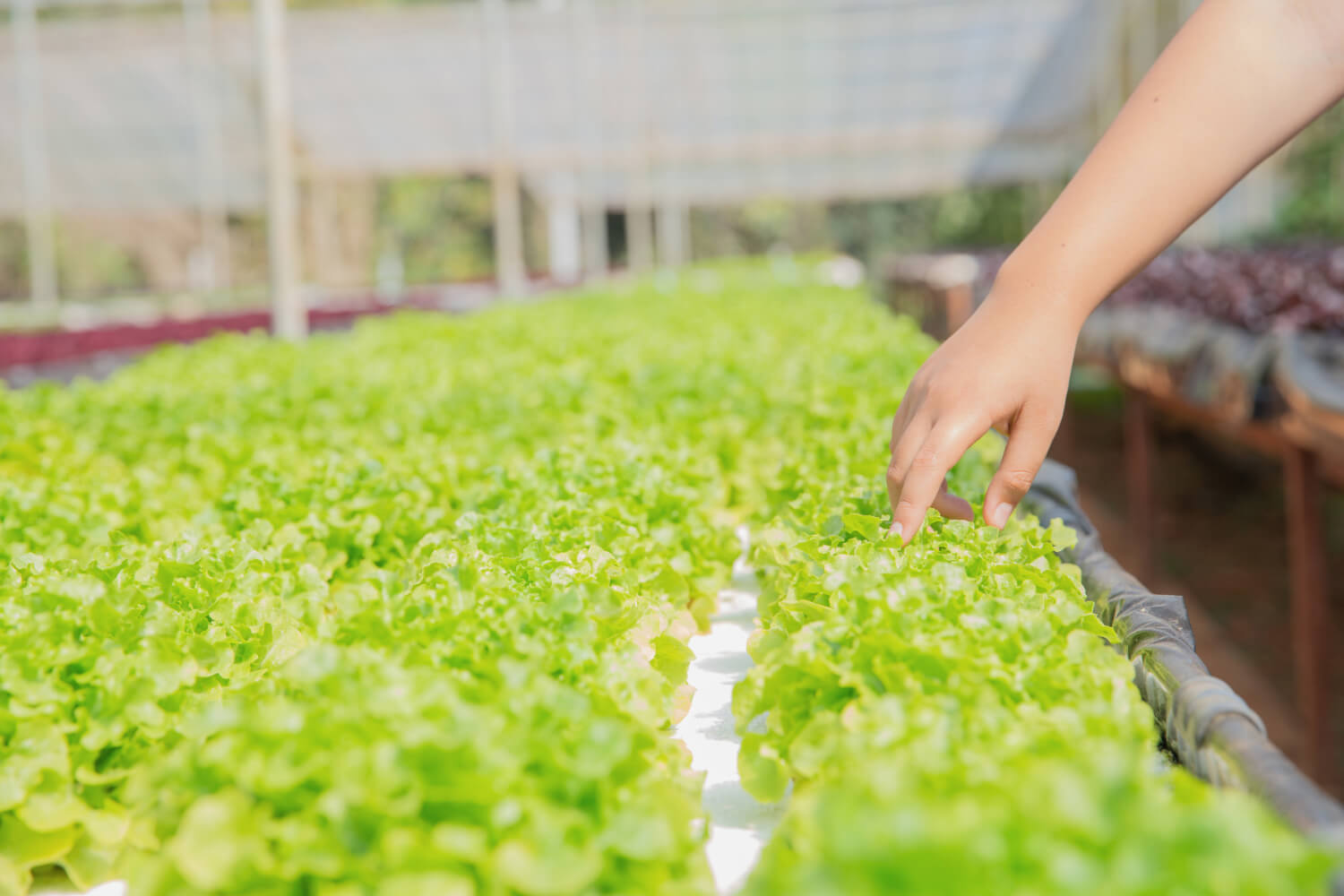
Hydroponic farming is a method of growing plants without soil. Instead, crops are cultivated using nutrient-rich water solutions in controlled environments.
How Hydroponics Works
Plants receive essential nutrients directly through water, allowing them to grow efficiently in vertical systems, greenhouses, or indoor farming setups.
Hydroponic systems carefully manage water, nutrients, temperature, and lighting to optimize plant growth.
Key Advantages
Hydroponic farming offers several benefits:
- Faster crop growth
- Reduced land usage
- Lower water consumption
- Controlled production environment
- Year-round farming potential
- Reduced dependence on weather conditions
These advantages make hydroponics particularly attractive for urban and commercial farming.
What Is Organic Production Certification?
Definition and Purpose
Organic Production Certification verifies that agricultural products are produced according to approved organic standards without harmful synthetic chemicals or prohibited practices.
Importance in Modern Markets
Consumers increasingly trust certified products because certification provides assurance regarding quality, safety, and sustainability.
For businesses, certification improves credibility and market positioning.
Key Benefits
Organic certification helps agricultural businesses by:
- Building consumer trust
- Creating premium pricing opportunities
- Improving market access
- Supporting export potential
- Strengthening brand value
In competitive markets, certification often becomes a major differentiator.
Why Hydroponic Farming Is the Future
Efficient Use of Space
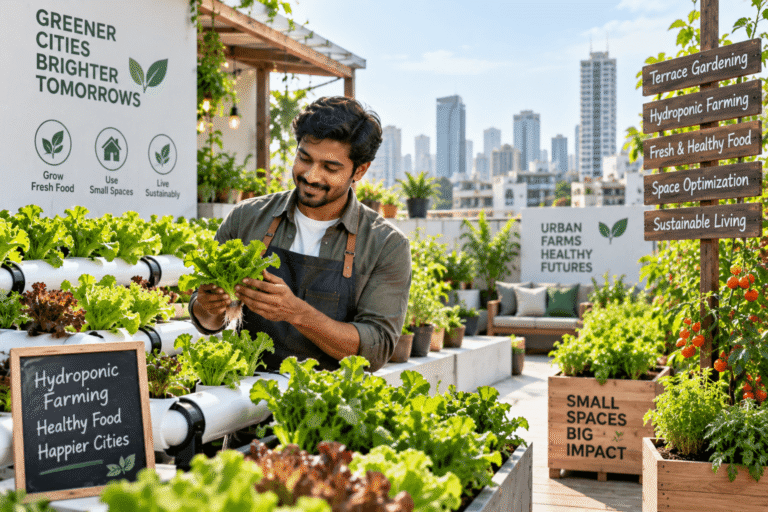
Hydroponics enables farming in compact areas through vertical systems and controlled environments, making it highly suitable for urban agriculture.
Water Conservation
Hydroponic systems use significantly less water compared to traditional farming because water can be recycled within the system.
Climate Resilience
Controlled growing conditions reduce dependency on seasonal weather patterns and protect crops from extreme climate variations.
Scalability and Technology Integration
Hydroponics easily integrates with automation, sensors, data monitoring, and smart farming technologies, making it ideal for future-focused agriculture businesses.
Why Organic Certification Is the Future
Increasing Demand for Organic Products
Global demand for organic food products continues to rise as consumers prioritize health and sustainability.
Global Market Opportunities
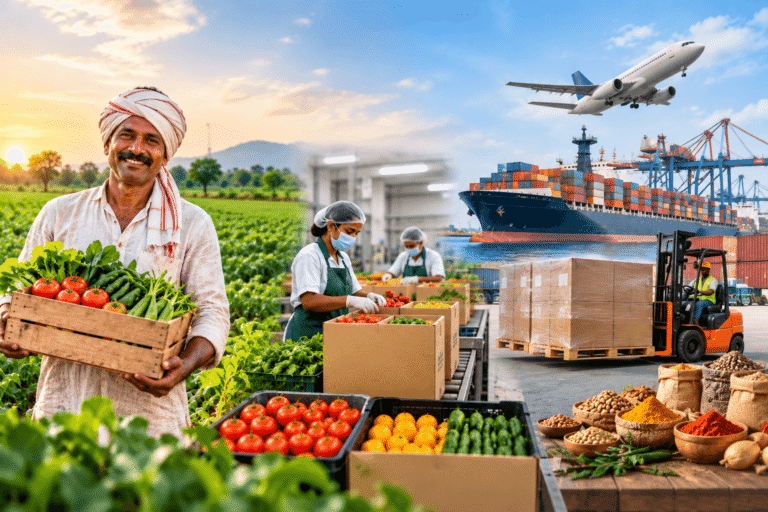
Certified products often gain easier access to export markets and premium retail channels.
Environmental Sustainability
Organic practices encourage responsible farming methods that support long-term environmental health.
Strong Brand Positioning
Certification helps businesses build trust and establish themselves as reliable and quality-focused brands.
How Hydroponic Farming and Organic Certification Complement Each Other
Combining Efficiency with Trust
Hydroponic farming improves production efficiency, while certification helps create consumer confidence and market credibility.
High-Value Agricultural Output
The combination allows businesses to produce premium-quality products that can command better prices.
Sustainable and Scalable Business Model
Together, these approaches support agricultural businesses that are both environmentally sustainable and commercially scalable.
Better Market Access and Pricing
Consumers and buyers are increasingly willing to pay premium prices for clean, traceable, and sustainably grown produce.
Business Opportunities in This Emerging Space
The growing adoption of hydroponics and organic agriculture is creating exciting opportunities.
Hydroponic Farm Setup and Consultancy
Entrepreneurs can establish commercial hydroponic farms or provide technical consultancy services.
Organic Certified Produce Business
Certified products can be sold through premium retail stores, online platforms, and institutional buyers.
Urban Farming Startups
Urban agriculture is emerging as a fast-growing sector in cities with limited land availability.
Export-Oriented Agri Businesses
International markets are actively seeking sustainable and high-quality agricultural products.
Agri-Tech and Sustainable Farming Ventures
Technology-driven farming businesses are attracting growing investment and market interest.
Real-World Impact
An urban entrepreneur can successfully build a hydroponic farm supplying fresh leafy vegetables to restaurants and premium consumers.
A farmer adopting organic certification may increase profits by accessing high-value markets.
A startup combining hydroponic farming with strong organic branding can position itself as a premium sustainable food business.
Challenges in Adopting These Practices
Despite the opportunities, certain challenges remain:
High Initial Investment in Hydroponics
Hydroponic systems require infrastructure, technology, and technical setup costs.
Lack of Awareness About Certification Processes
Many farmers and entrepreneurs are unfamiliar with organic certification requirements.
Technical Knowledge and Training Gaps
Modern farming systems require specialized operational knowledge.
Market Access and Branding Challenges
Without effective branding and business strategy, even quality products may struggle in competitive markets.
How Training and Skill Development Help
Professional training helps learners:
- Understand hydroponic systems and technologies
- Learn organic certification standards
- Build agri-business and marketing skills
- Gain practical experience through hands-on learning
Skill development is essential for successfully operating modern agriculture businesses.
Role of Institutions Like SIILC
Institutions like SIILC help prepare learners for the future of agriculture through industry-oriented programs.
These programs focus on:
- Advanced hydroponic farming knowledge
- Organic production certification awareness
- Agri-business and entrepreneurship development
- Practical, market-oriented skill building
This approach helps aspiring professionals build future-ready careers in agriculture.
The Future of Agriculture
The future of farming lies at the intersection of technology, sustainability, and market trust.
Smart farming systems, urban agriculture, organic food demand, and traceable supply chains are reshaping the agricultural landscape.
Agriculture is no longer viewed only as farming, it is becoming a high-value, innovation-driven business sector with global opportunities.
Conclusion
The future of agriculture belongs to businesses that combine innovation with sustainability.
Hydroponic Farming and Organic Production Certification together create a powerful and future-ready farming model. They improve productivity, support environmental responsibility, enhance market trust, and create stronger profitability opportunities.
As consumer expectations and market demands continue to evolve, professionals with knowledge of modern farming systems and certification standards will be better positioned to succeed.
Explore training programs in hydroponics and organic certification to build a future-ready, profitable agriculture career.
FAQs
What is hydroponic farming?
Hydroponic farming is a method of growing plants without soil using nutrient-rich water systems.
Can hydroponic crops be organically certified?
Certification rules vary by region and standards, but hydroponic systems can adopt sustainable and chemical-free production methods.
Why is organic certification important?
Organic certification helps build trust, improve market access, and create premium pricing opportunities.
Is hydroponic farming profitable?
Yes. With proper management, hydroponic farming can generate strong returns through efficient production and premium market positioning.
How can I learn hydroponic and organic farming skills?
Specialized training programs and institutions like SIILC can help learners build practical skills in hydroponics, certification, and agri-business management.