Digital Agriculture: The Future of Agri Careers
 admin
adminAgriculture is no longer limited to traditional farming methods passed down through generations. Today, the sector is rapidly transforming into a technology-driven ecosystem powered by data, automation, and smart decision-making.
From satellite imagery to mobile-based advisory systems, agriculture is embracing innovation at an unprecedented scale.
This shift is creating exciting new career opportunities, especially for young people who want to combine technology with purpose-driven work. Digital agriculture is not just about improving crop yields. It is reshaping how food is grown, managed, marketed, and sustained. With rising demand for smart farming, agri-tech solutions, and data-driven agriculture, agri careers are entering a powerful new phase.
What Is Digital Agriculture?
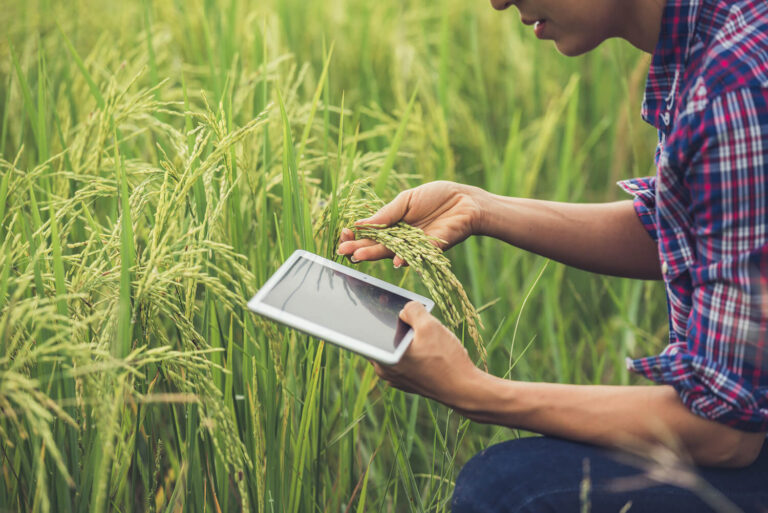
In simple terms, digital agriculture refers to the use of modern technologies to improve farming efficiency, productivity, and sustainability. It combines agriculture with tools like data analytics, artificial intelligence, sensors, drones, and automation to help farmers make better decisions.
Unlike traditional agriculture, which relies heavily on manual observation and experience, digital agriculture uses real-time data. Farmers can now track soil health, weather patterns, crop growth, pest risks, and irrigation needs with far greater accuracy.
Globally, the move toward digital farming is driven by climate uncertainty, rising input costs, food security needs, and the demand for sustainable practices. Technology offers a way to grow more with fewer resources, making agriculture smarter and more resilient.
Technologies Driving Digital Agriculture
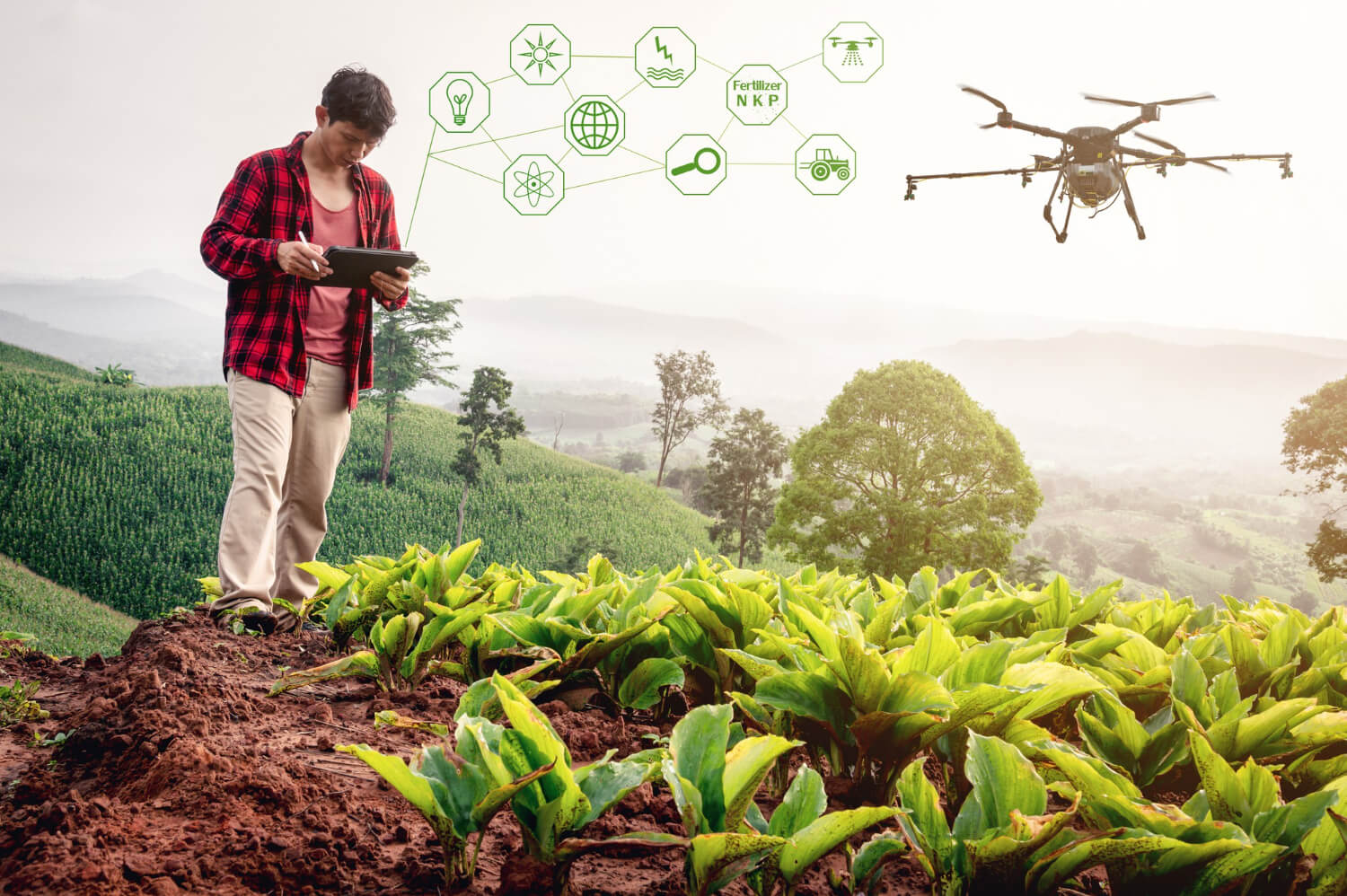
One of the most impactful innovations is precision farming and smart irrigation, where water and nutrients are delivered exactly when and where needed. This reduces waste and improves yields.
Drones and satellite monitoring help farmers assess crop health, detect pest infestations early, and plan harvesting more efficiently. These tools are becoming essential for large and small farms alike.
IoT devices and smart sensors measure soil moisture, temperature, and nutrient levels in real time, enabling proactive decision-making.
Data analytics and AI turn raw farm data into actionable insights, predicting pest attacks, weather risks, and yield outcomes.
Finally, agri automation and robotics are reducing dependency on manual labour by automating tasks such as planting, spraying, and harvesting.
Why Digital Agriculture Is Creating Amazing New Careers
As agriculture becomes more tech-driven, the demand for agri-tech professionals is rising sharply. Farms, agri startups, corporates, and government initiatives all require skilled people who understand both technology and agriculture.
Digital agriculture is also creating high-income roles for rural and urban youth. Young professionals no longer need to migrate away from agriculture to build successful careers. Opportunities now exist in farm-to-market platforms, advisory services, agri-fintech, and supply chain optimisation.
Another major shift is the rise of agripreneurs. Technology has lowered entry barriers, allowing young innovators to launch scalable agri businesses that solve real-world problems.
Emerging Career Paths in Digital Agriculture
Digital agriculture offers diverse roles beyond traditional farming. Agri-tech specialists work on implementing and managing smart farming solutions. Drone operators provide aerial services for crop analysis and spraying.
Precision farming experts focus on optimising yields using data and sensors. Agri data analysts interpret farm data to guide decisions. Farm automation technicians maintain and deploy automated systems.
Digital agri-marketing and e-commerce roles help farmers and brands sell produce directly to consumers through online platforms.
Real Success Stories
Across Maharashtra, young drone pilots are supporting over 200 farmers by offering affordable crop monitoring and spraying services. Agri startups are using AI-based pest prediction models to reduce crop losses and improve advisory accuracy.
There are also inspiring examples of youth transforming small farms into smart farms by adopting sensors, digital records, and data-backed planning, proving that technology-driven agriculture is practical and profitable.
Challenges in Adopting Digital Agriculture
Despite its potential, digital agriculture faces challenges. High initial investment in equipment can be a barrier for small farmers. Limited technical knowledge and hesitation toward new technology slow adoption.
In many rural areas, digital infrastructure such as connectivity and access to devices is still developing. These challenges highlight the importance of training, awareness, and support systems.
How Training Programs Enable Digital Agri Careers
Well-designed training programs play a critical role in enabling digital agri careers. They teach youth how to use modern agri-tech tools through hands-on learning, field demonstrations, and real projects.
Training builds confidence to start agri-tech businesses and helps bridge the knowledge gap between farmers and technology providers. Skilled professionals become the link that makes digital agriculture work on the ground.
Role of SIILC in Building the Next Generation of Agri Professionals
SIILC focuses on preparing future-ready agri professionals through agri-business and agri-tech training programs. Learners gain exposure to drones, IoT tools, digital farming platforms, and modern agri practices.
The institute also provides entrepreneurship guidance for agri startups, mentorship from industry experts, and practical exposure that goes beyond classroom learning. This holistic approach helps learners turn skills into sustainable careers.
The Future of Agri Careers
Agriculture is becoming tech-first and innovation-driven. The next wave of agri transformation will be led by youth who understand both technology and farming realities.
Digital agriculture is making farming more profitable, efficient, and sustainable, positioning it as one of India’s most promising career domains.
Conclusion
Digital agriculture is creating powerful, future-ready careers that combine technology, impact, and income. As farming evolves, those equipped with digital skills will shape the future of food and sustainability.
Technology plus farming is India’s next big opportunity. Join SIILC’s Digital Agriculture and Agri-Business programs and start building your future in agri-tech today.
FAQs
What is digital agriculture?
It is the use of technology and data to improve farming efficiency and sustainability.
What are the best career options in agri-tech?
Roles include agri-tech specialist, drone operator, data analyst, and agripreneur.
Do I need a farming background?
No. Interest in agriculture and technology is enough to get started.
Are digital agriculture courses suitable for beginners?
Yes, many programs are designed for beginners and freshers.
How can I join SIILC’s agri-tech training programs?
You can explore available courses and enrol through SIILC’s official channels.